Buy hackroblox.com ?
We are moving the project
hackroblox.com .
Are you interested in purchasing the domain
hackroblox.com ?
domain@kv-gmbh.de · 0541-91531010
Buy hackroblox.com ?
What is a pronoun?
A pronoun is a word that is used in place of a noun to avoid repetition. It can refer to a person, place, thing, or idea. Pronouns help make sentences less repetitive and more concise. Examples of pronouns include he, she, it, they, we, and you. **
Which pronoun is him?
The pronoun "him" is a third person singular masculine pronoun used to refer to a male person or animal that is the object of a verb or preposition. It is the objective form of the pronoun "he." **

Similar search terms for Pronoun
Top-Angebote
Products related to Pronoun:
-
SSO Libray Builders Library Builders: Historical ReadsJourney into the past with this collection of titles featuring adventures across the eras.This set includes:The Bicycle SpyCode Word CourageEscape From AlcatrazThe Hero Two Doors DownThe Mostly True Adventures of Homer P. FiggA Night...55,99 $*Shipping: 0,00 $Secure redirect to the provider
-
SSO Libray Builders Library Builders: Favorite YA AuthorsThis pack features titles from some of our bestselling young adult authors.This set includes:BeholderThe Life I'm InLove Is the DrugRise to the SunShiver Library Builders: Favorite YA Authors53,99 $*Shipping: 0,00 $Secure redirect to the provider




-
Is this a pronoun?
No, the word "this" is not a pronoun. It is a demonstrative adjective or pronoun that is used to indicate something specific or near in distance or time. Pronouns are words that replace nouns in a sentence, such as he, she, it, they, etc. **
-
Which pronoun is reflexive?
A reflexive pronoun is a pronoun that refers back to the subject of the sentence. It ends in -self or -selves, such as "myself," "yourself," "himself," "herself," "itself," "ourselves," "yourselves," and "themselves." Reflexive pronouns are used when the subject and object of a sentence are the same entity, emphasizing that the action is being performed by the subject onto itself. **
-
What is the difference between a personal pronoun and a possessive pronoun?
A personal pronoun is used to replace a noun and refers to a specific person or thing, such as "he," "she," or "they." On the other hand, a possessive pronoun shows ownership or possession, such as "his," "her," or "their." Personal pronouns indicate who is performing the action in a sentence, while possessive pronouns indicate who owns or possesses something. **
-
What is the indirect pronoun?
An indirect pronoun is a pronoun that indicates the recipient of the action in a sentence. It is used to show to whom or for whom an action is being done. Indirect pronouns often come after prepositions such as "to" or "for" and can include words like "me," "you," "him," "her," "us," and "them." These pronouns help clarify the relationship between the subject and the object in a sentence. **


Is "dich" a personal pronoun?
Yes, "dich" is a personal pronoun in German. It is the accusative form of the second person singular pronoun "du," which means "you" in English. "Dich" is used when the pronoun is the direct object of a sentence. **
Which pronoun do you prefer?
As an AI, I do not have personal preferences. I am programmed to use pronouns based on the user's preference. Feel free to let me know which pronouns you would like me to use when addressing you. **
Top-Angebote
Products related to Pronoun:
-
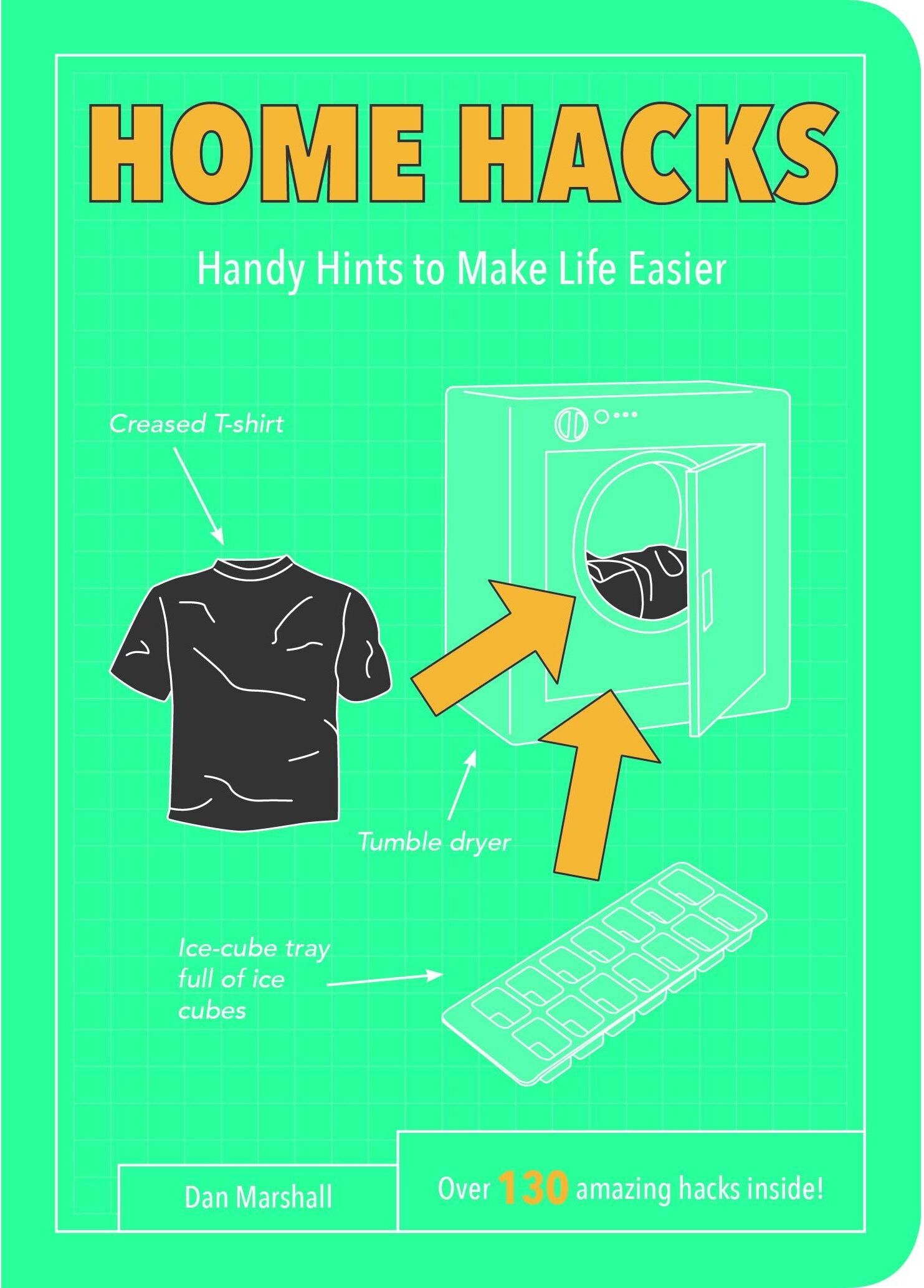
Summersdale Publishers Dan Marshall Handy Tips Tricks Hints Collection 3 Books Set (Beauty Hacks, Life Hacks, Home Hacks)Life Hacks These and dozens of other everyday dilemmas are solved with LIFE HACKS, your handy guide to tackling little annoyances before they turn into big problems. This fully illustrated manual covers everything from nifty electric cable management to ingenious cooking methods and much, much, more. Remember: if life throws you a curveball – HACK IT! Home Hacks Do you long to be free from those time-consuming and annoying domestic chores. Ever dread those awful everyday irritations such as struggling to get the duvet cover back on, or removing overflowing bags from your rubbish bin? Are you desperate for some clever hacks to de-clutter your home? Dozens of everyday household dilemmas are solved with HOME HACKS, your handy guide to tackling little domestic annoyances, cheaply and swiftly, so you can get on with something more fun. Beauty Hacks These and dozens of other hair, skincare, nail and make-up dilemmas are solved with this compendium of ingenious beauty hacks. This fully illustrated manual covers everything from DIY face masks and time-saving make-up cheats to quick and easy styling tips – everything you need to look good, feel good, and still have time for the other fun things in life!18,99 £*Shipping: 2,99 £Secure redirect to the provider
-
SSO Libray Builders Library Builders: Historical ReadsJourney into the past with this collection of titles featuring adventures across the eras.This set includes:The Bicycle SpyCode Word CourageEscape From AlcatrazThe Hero Two Doors DownThe Mostly True Adventures of Homer P. FiggA Night...55,99 $*Shipping: 0,00 $Secure redirect to the provider
-
What is a pronoun?
A pronoun is a word that is used in place of a noun to avoid repetition. It can refer to a person, place, thing, or idea. Pronouns help make sentences less repetitive and more concise. Examples of pronouns include he, she, it, they, we, and you. **
-
Which pronoun is him?
The pronoun "him" is a third person singular masculine pronoun used to refer to a male person or animal that is the object of a verb or preposition. It is the objective form of the pronoun "he." **
-
Is this a pronoun?
No, the word "this" is not a pronoun. It is a demonstrative adjective or pronoun that is used to indicate something specific or near in distance or time. Pronouns are words that replace nouns in a sentence, such as he, she, it, they, etc. **
-
Which pronoun is reflexive?
A reflexive pronoun is a pronoun that refers back to the subject of the sentence. It ends in -self or -selves, such as "myself," "yourself," "himself," "herself," "itself," "ourselves," "yourselves," and "themselves." Reflexive pronouns are used when the subject and object of a sentence are the same entity, emphasizing that the action is being performed by the subject onto itself. **
Similar search terms for Pronoun
-
SSO Libray Builders Library Builders: Favorite YA AuthorsThis pack features titles from some of our bestselling young adult authors.This set includes:BeholderThe Life I'm InLove Is the DrugRise to the SunShiver Library Builders: Favorite YA Authors53,99 $*Shipping: 0,00 $Secure redirect to the provider
-
SSO Libray Builders Library Builders: Social and Emotional ReadsTry new things and embrace who you are with these vibrant tales.This set includes:Fish Tank Friends: Do I Have to Go to the Party?Moo HooYou Are Brave: A Book About Trying New Things Library Builders: Social and Emotional Reads46,99 $*Shipping: 0,00 $Secure redirect to the provider
-
SSO Libray Builders Library Builders: Middle Grade Adventure & FantasyThis set includes:Beware the HeartmanThe Crossbow of DestinySecrets of the Sky #1: The Chaos MonsterValor WingsThe Witching Wind Library Builders: Middle Grade Adventure & Fantasy78,99 $*Shipping: 0,00 $Secure redirect to the provider
-
What is the difference between a personal pronoun and a possessive pronoun?
A personal pronoun is used to replace a noun and refers to a specific person or thing, such as "he," "she," or "they." On the other hand, a possessive pronoun shows ownership or possession, such as "his," "her," or "their." Personal pronouns indicate who is performing the action in a sentence, while possessive pronouns indicate who owns or possesses something. **
-
What is the indirect pronoun?
An indirect pronoun is a pronoun that indicates the recipient of the action in a sentence. It is used to show to whom or for whom an action is being done. Indirect pronouns often come after prepositions such as "to" or "for" and can include words like "me," "you," "him," "her," "us," and "them." These pronouns help clarify the relationship between the subject and the object in a sentence. **
-
Is "dich" a personal pronoun?
Yes, "dich" is a personal pronoun in German. It is the accusative form of the second person singular pronoun "du," which means "you" in English. "Dich" is used when the pronoun is the direct object of a sentence. **
-
Which pronoun do you prefer?
As an AI, I do not have personal preferences. I am programmed to use pronouns based on the user's preference. Feel free to let me know which pronouns you would like me to use when addressing you. **
* All prices are inclusive of VAT and, if applicable, plus shipping costs. The offer information is based on the details provided by the respective shop and is updated through automated processes. Real-time updates do not occur, so deviations can occur in individual cases. ** Note: Parts of this content were created by AI.