Buy hackroblox.com ?
We are moving the project
hackroblox.com .
Are you interested in purchasing the domain
hackroblox.com ?
domain@kv-gmbh.de · 0541-91531010
Buy hackroblox.com ?
What does plasticity mean?
Plasticity refers to the brain's ability to change and adapt in response to new experiences, learning, or injury. It is the brain's capacity to reorganize its structure, function, and connections in order to optimize performance and recover from damage. Plasticity allows the brain to form new neural pathways, strengthen existing connections, and even compensate for lost functions. This ability is crucial for learning, memory, and recovery from brain injuries. **
What does plasticity mean in architecture?
Plasticity in architecture refers to the ability of a material or structure to be molded, shaped, or manipulated in various ways to create different forms and designs. It allows architects to experiment with different shapes, textures, and configurations, leading to innovative and dynamic architectural solutions. Plasticity in architecture also enables buildings to adapt to different functions, environments, and user needs, making them more versatile and responsive. **

Similar search terms for Plasticity
Top-Angebote
Products related to Plasticity:
-
SSO Libray Builders Library Builders: Historical ReadsJourney into the past with this collection of titles featuring adventures across the eras.This set includes:The Bicycle SpyCode Word CourageEscape From AlcatrazThe Hero Two Doors DownThe Mostly True Adventures of Homer P. FiggA Night...55,99 $*Shipping: 0,00 $Secure redirect to the provider
-
SSO Libray Builders Library Builders: Favorite YA AuthorsThis pack features titles from some of our bestselling young adult authors.This set includes:BeholderThe Life I'm InLove Is the DrugRise to the SunShiver Library Builders: Favorite YA Authors53,99 $*Shipping: 0,00 $Secure redirect to the provider




-
How can one represent plasticity without shimmering?
One way to represent plasticity without shimmering is to use matte finishes or textures that absorb light rather than reflect it. This can help create a more subtle and realistic representation of plasticity. Additionally, using soft and gradual transitions between colors or tones can help avoid the appearance of shimmering. Finally, paying attention to the lighting conditions and angles when capturing or rendering the plastic object can also help minimize shimmering and enhance the perception of plasticity. **
-
What is the spatial depth of plasticity?
The spatial depth of plasticity refers to the extent to which changes in the brain's structure and function occur as a result of learning or experience. It encompasses the range of brain regions and neural networks that are involved in the process of plasticity. This can include changes at the level of individual neurons, as well as larger-scale changes in connectivity and organization across different brain regions. The spatial depth of plasticity is important for understanding how the brain adapts to new information and experiences, and for developing interventions to promote healthy brain function. **
-
What is painted with plasticity in art?
In art, plasticity refers to the quality of being able to be molded or shaped. When something is painted with plasticity in art, it means that the artist has used techniques to create a sense of three-dimensionality, depth, and form in their work. This can be achieved through the use of light and shadow, texture, and the manipulation of the medium to create a sense of volume and movement in the artwork. Essentially, painting with plasticity allows the artist to create a sense of physical presence and depth in their work. **
-
What is the difference between spatiality and plasticity?
Spatiality refers to the physical dimensions and arrangement of objects or spaces in a given area, while plasticity refers to the ability of something to be molded, shaped, or changed. Spatiality is concerned with the actual layout and organization of physical elements, such as the distance between objects or the arrangement of rooms in a building. On the other hand, plasticity is about the flexibility and adaptability of a material or structure to be altered or reformed. In essence, spatiality deals with the existing physical space, while plasticity deals with the potential for change within that space. **


Why should IQ not be changeable if neural plasticity changes myelination and synaptic structure?
IQ should not be changeable simply because neural plasticity changes myelination and synaptic structure. While neural plasticity allows the brain to adapt and reorganize itself in response to learning and experiences, it does not necessarily result in a change in overall intelligence. IQ is a measure of a person's cognitive abilities and is influenced by a combination of genetic and environmental factors, which may not be easily altered through changes in neural plasticity alone. Additionally, IQ is a complex trait that is influenced by multiple factors beyond just neural plasticity, such as genetics, upbringing, and education. **
Why shouldn't IQ also be changeable if neural plasticity changes myelination and synaptic structure?
While neural plasticity does allow for changes in myelination and synaptic structure, it is important to note that IQ is a complex trait influenced by a combination of genetic and environmental factors. While it is true that the brain can change and adapt, there are limits to how much an individual's IQ can be altered. Additionally, IQ is a measure of cognitive abilities and is influenced by a wide range of factors beyond just neural plasticity, including genetics, early childhood experiences, and education. Therefore, while neural plasticity can certainly impact cognitive abilities, it is not the sole determinant of IQ and its changeability. **
Top-Angebote
Products related to Plasticity:
-
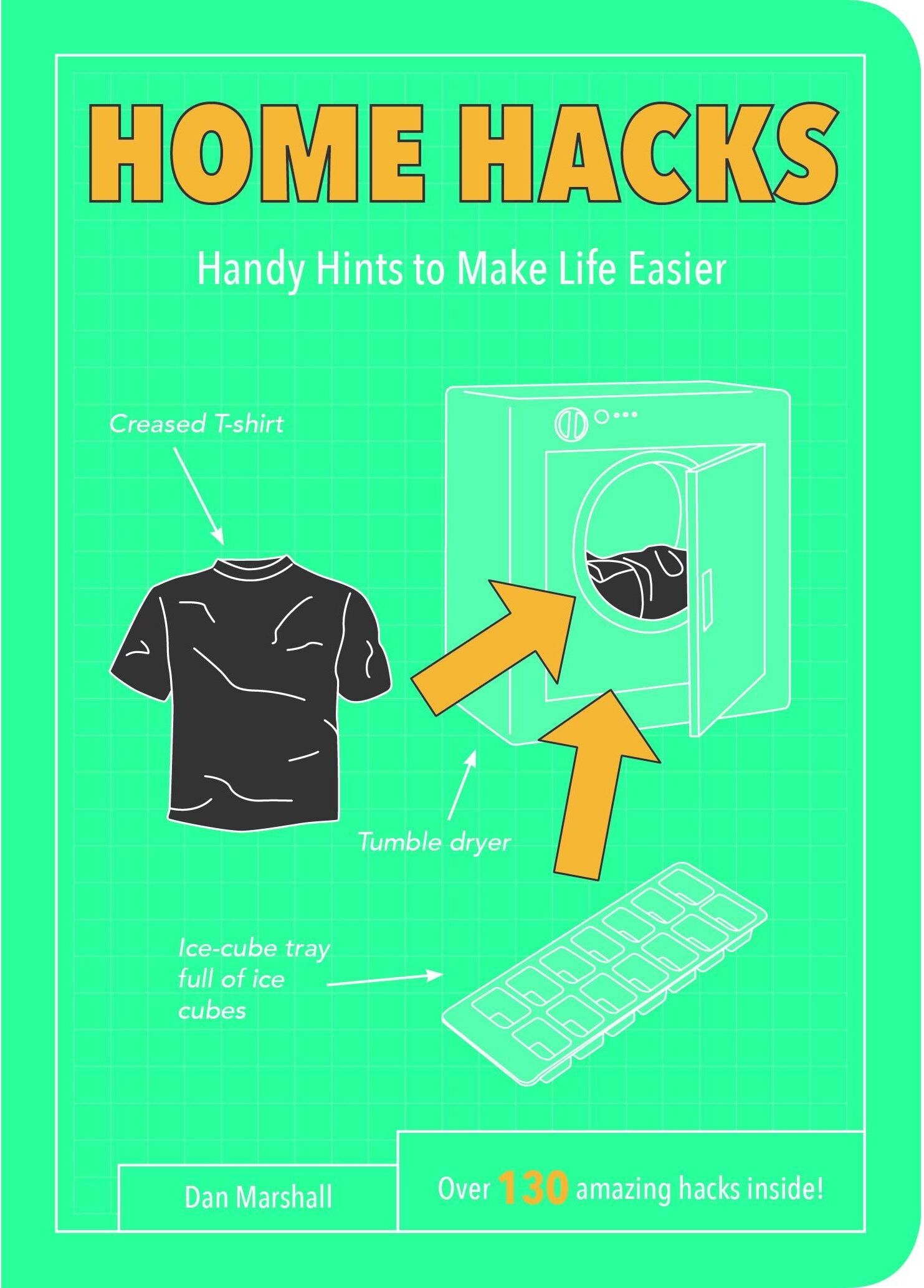
Summersdale Publishers Dan Marshall Handy Tips Tricks Hints Collection 3 Books Set (Beauty Hacks, Life Hacks, Home Hacks)Life Hacks These and dozens of other everyday dilemmas are solved with LIFE HACKS, your handy guide to tackling little annoyances before they turn into big problems. This fully illustrated manual covers everything from nifty electric cable management to ingenious cooking methods and much, much, more. Remember: if life throws you a curveball – HACK IT! Home Hacks Do you long to be free from those time-consuming and annoying domestic chores. Ever dread those awful everyday irritations such as struggling to get the duvet cover back on, or removing overflowing bags from your rubbish bin? Are you desperate for some clever hacks to de-clutter your home? Dozens of everyday household dilemmas are solved with HOME HACKS, your handy guide to tackling little domestic annoyances, cheaply and swiftly, so you can get on with something more fun. Beauty Hacks These and dozens of other hair, skincare, nail and make-up dilemmas are solved with this compendium of ingenious beauty hacks. This fully illustrated manual covers everything from DIY face masks and time-saving make-up cheats to quick and easy styling tips – everything you need to look good, feel good, and still have time for the other fun things in life!18,99 £*Shipping: 2,99 £Secure redirect to the provider
-
SSO Libray Builders Library Builders: Historical ReadsJourney into the past with this collection of titles featuring adventures across the eras.This set includes:The Bicycle SpyCode Word CourageEscape From AlcatrazThe Hero Two Doors DownThe Mostly True Adventures of Homer P. FiggA Night...55,99 $*Shipping: 0,00 $Secure redirect to the provider
-
What does plasticity mean?
Plasticity refers to the brain's ability to change and adapt in response to new experiences, learning, or injury. It is the brain's capacity to reorganize its structure, function, and connections in order to optimize performance and recover from damage. Plasticity allows the brain to form new neural pathways, strengthen existing connections, and even compensate for lost functions. This ability is crucial for learning, memory, and recovery from brain injuries. **
-
What does plasticity mean in architecture?
Plasticity in architecture refers to the ability of a material or structure to be molded, shaped, or manipulated in various ways to create different forms and designs. It allows architects to experiment with different shapes, textures, and configurations, leading to innovative and dynamic architectural solutions. Plasticity in architecture also enables buildings to adapt to different functions, environments, and user needs, making them more versatile and responsive. **
-
How can one represent plasticity without shimmering?
One way to represent plasticity without shimmering is to use matte finishes or textures that absorb light rather than reflect it. This can help create a more subtle and realistic representation of plasticity. Additionally, using soft and gradual transitions between colors or tones can help avoid the appearance of shimmering. Finally, paying attention to the lighting conditions and angles when capturing or rendering the plastic object can also help minimize shimmering and enhance the perception of plasticity. **
-
What is the spatial depth of plasticity?
The spatial depth of plasticity refers to the extent to which changes in the brain's structure and function occur as a result of learning or experience. It encompasses the range of brain regions and neural networks that are involved in the process of plasticity. This can include changes at the level of individual neurons, as well as larger-scale changes in connectivity and organization across different brain regions. The spatial depth of plasticity is important for understanding how the brain adapts to new information and experiences, and for developing interventions to promote healthy brain function. **
Similar search terms for Plasticity
-
SSO Libray Builders Library Builders: Favorite YA AuthorsThis pack features titles from some of our bestselling young adult authors.This set includes:BeholderThe Life I'm InLove Is the DrugRise to the SunShiver Library Builders: Favorite YA Authors53,99 $*Shipping: 0,00 $Secure redirect to the provider
-
SSO Libray Builders Library Builders: Middle Grade Adventure & FantasyThis set includes:Beware the HeartmanThe Crossbow of DestinySecrets of the Sky #1: The Chaos MonsterValor WingsThe Witching Wind Library Builders: Middle Grade Adventure & Fantasy78,99 $*Shipping: 0,00 $Secure redirect to the provider
-
SSO Libray Builders Library Builders: Navigating Friendships Graphic PackThis set includes:Four EyesInvisibleLeon #2: Worst Friends ForeverMeet Me on Mercer StreetThe New GirlPizza FaceSquished Library Builders: Navigating Friendships Graphic Pack76,99 $*Shipping: 0,00 $Secure redirect to the provider
-
What is painted with plasticity in art?
In art, plasticity refers to the quality of being able to be molded or shaped. When something is painted with plasticity in art, it means that the artist has used techniques to create a sense of three-dimensionality, depth, and form in their work. This can be achieved through the use of light and shadow, texture, and the manipulation of the medium to create a sense of volume and movement in the artwork. Essentially, painting with plasticity allows the artist to create a sense of physical presence and depth in their work. **
-
What is the difference between spatiality and plasticity?
Spatiality refers to the physical dimensions and arrangement of objects or spaces in a given area, while plasticity refers to the ability of something to be molded, shaped, or changed. Spatiality is concerned with the actual layout and organization of physical elements, such as the distance between objects or the arrangement of rooms in a building. On the other hand, plasticity is about the flexibility and adaptability of a material or structure to be altered or reformed. In essence, spatiality deals with the existing physical space, while plasticity deals with the potential for change within that space. **
-
Why should IQ not be changeable if neural plasticity changes myelination and synaptic structure?
IQ should not be changeable simply because neural plasticity changes myelination and synaptic structure. While neural plasticity allows the brain to adapt and reorganize itself in response to learning and experiences, it does not necessarily result in a change in overall intelligence. IQ is a measure of a person's cognitive abilities and is influenced by a combination of genetic and environmental factors, which may not be easily altered through changes in neural plasticity alone. Additionally, IQ is a complex trait that is influenced by multiple factors beyond just neural plasticity, such as genetics, upbringing, and education. **
-
Why shouldn't IQ also be changeable if neural plasticity changes myelination and synaptic structure?
While neural plasticity does allow for changes in myelination and synaptic structure, it is important to note that IQ is a complex trait influenced by a combination of genetic and environmental factors. While it is true that the brain can change and adapt, there are limits to how much an individual's IQ can be altered. Additionally, IQ is a measure of cognitive abilities and is influenced by a wide range of factors beyond just neural plasticity, including genetics, early childhood experiences, and education. Therefore, while neural plasticity can certainly impact cognitive abilities, it is not the sole determinant of IQ and its changeability. **
* All prices are inclusive of VAT and, if applicable, plus shipping costs. The offer information is based on the details provided by the respective shop and is updated through automated processes. Real-time updates do not occur, so deviations can occur in individual cases. ** Note: Parts of this content were created by AI.