Buy hackroblox.com ?
We are moving the project
hackroblox.com .
Are you interested in purchasing the domain
hackroblox.com ?
domain@kv-gmbh.de · 0541-91531010
Buy hackroblox.com ?
What is the octet rule or octet expansion?
The octet rule is a chemical principle that states that atoms tend to gain, lose, or share electrons in order to achieve a full outer shell of eight electrons (or two electrons for hydrogen and helium). This stability is similar to the electron configuration of noble gases. Octet expansion refers to the ability of certain elements, particularly those in the third row of the periodic table and beyond, to accommodate more than eight electrons in their valence shell by utilizing d orbitals. This allows these elements to form more than the typical number of bonds and expand their valence shell beyond eight electrons. **
What is an octet extension?
An octet extension is a term used in networking to refer to the addition of extra bits to an IP address to create a longer address. This extension allows for more unique IP addresses to be created, which is important as the number of devices connected to the internet continues to grow. By extending the standard 32-bit IPv4 address to a longer format, such as IPv6 with 128 bits, the internet can accommodate the increasing demand for IP addresses. **

Similar search terms for Octet
Top-Angebote
Products related to Octet:
-
SSO Libray Builders Library Builders: Historical ReadsJourney into the past with this collection of titles featuring adventures across the eras.This set includes:The Bicycle SpyCode Word CourageEscape From AlcatrazThe Hero Two Doors DownThe Mostly True Adventures of Homer P. FiggA Night...55,99 $*Shipping: 0,00 $Secure redirect to the provider




-
Does the octet rule apply?
Yes, the octet rule is a fundamental principle in chemistry that states that atoms tend to gain, lose, or share electrons in order to achieve a stable configuration of eight valence electrons. This rule applies to many elements, especially those in the second period of the periodic table (such as carbon, nitrogen, oxygen, and fluorine). However, there are exceptions to the octet rule, particularly for elements that can accommodate more than eight electrons in their valence shell, such as elements in the third period and beyond. **
-
What is the octet rule?
The octet rule is a chemical principle that states that atoms tend to gain, lose, or share electrons in order to achieve a stable configuration of eight valence electrons. This stable configuration is similar to the noble gases, which have a full outer shell of electrons and are therefore very stable. By following the octet rule, atoms can achieve a more stable and lower energy state. **
-
What does the octet rule state?
The octet rule states that atoms tend to gain, lose, or share electrons in order to achieve a stable configuration of eight valence electrons in their outermost energy level. This stable configuration is similar to the noble gases, which have a full outer shell of electrons and are considered highly stable. By following the octet rule, atoms can achieve a more stable and lower energy state. **
-
What is the extended octet rule?
The extended octet rule is a concept in chemistry that allows elements in the third row of the periodic table and beyond to have more than eight electrons in their outer shell. This is possible because these elements have d orbitals available for bonding, allowing them to accommodate more than eight electrons. Elements such as sulfur, phosphorus, and chlorine can form compounds with expanded octets, exceeding the traditional eight-electron limit. The extended octet rule helps to explain the bonding and structure of certain molecules and ions that cannot be adequately described using the simple octet rule. **


Does graphite follow the octet rule?
Graphite does not follow the octet rule. In graphite, each carbon atom is bonded to only three other carbon atoms, forming a hexagonal lattice structure. This results in each carbon atom having only six electrons in its outer shell instead of the usual eight required by the octet rule. **
What is the electron octet of beryllium?
The electron octet of beryllium is 4. Beryllium has an atomic number of 4, which means it has 4 electrons in its outer shell. In order to achieve an electron octet, beryllium can either lose its 2 outer electrons to form a 2+ cation or share electrons with other atoms to complete its outer shell. **
Top-Angebote
Products related to Octet:
-
Butterfly Octet 25 Indoor Rollaway Table Tennis Table GreenCompetition Class Spend time around table tennis clubs, schools or sports centres and you'll soon come across a Butterfly Octet 25. An ITTF-approved 25 mm playing surface sits on a heavy-duty steel undercarriage with height-adjustable corner legs. Choose from green, blue or black.Playback mode is...1679,99 £*Shipping: 0,00 £Secure redirect to the provider
-
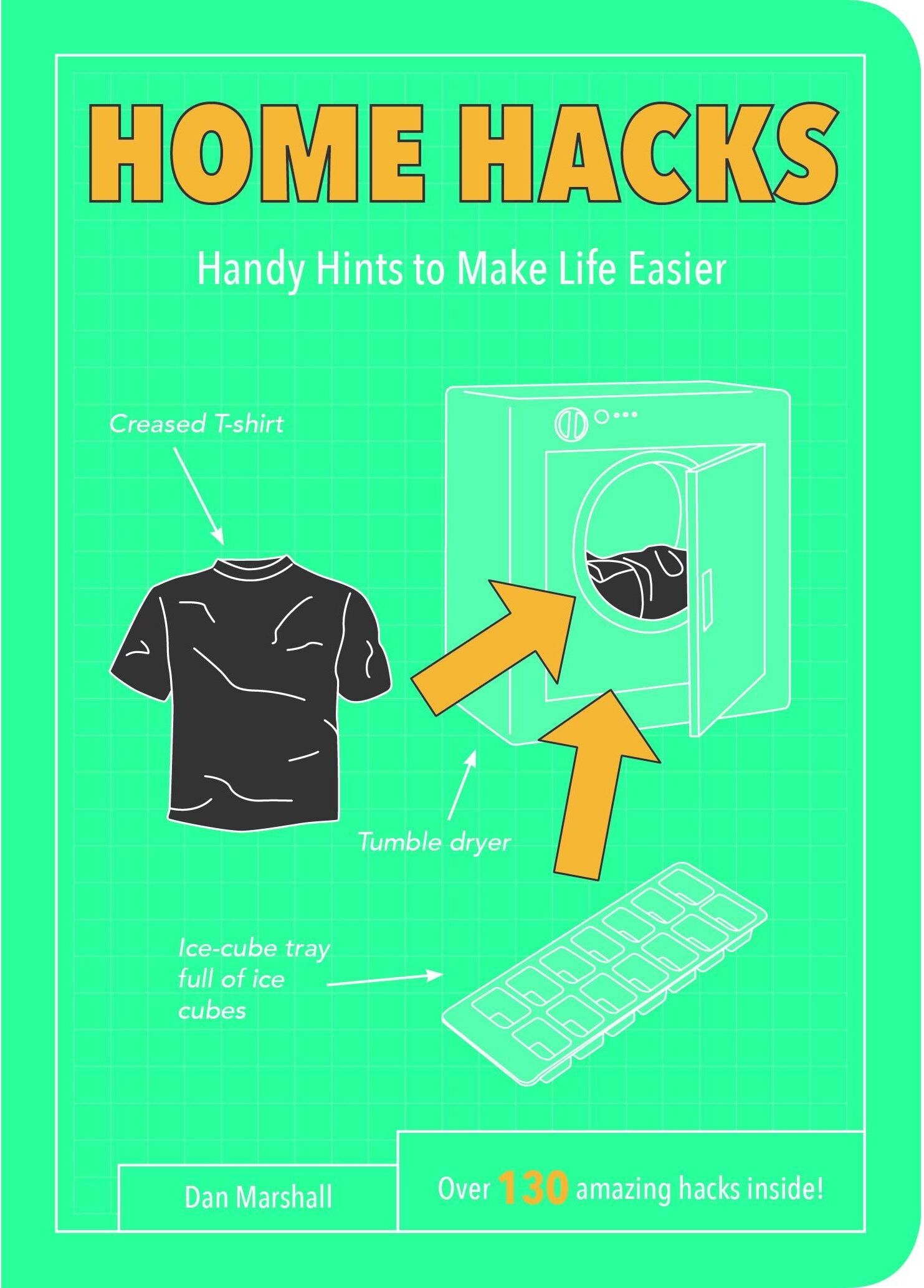
Summersdale Publishers Dan Marshall Handy Tips Tricks Hints Collection 3 Books Set (Beauty Hacks, Life Hacks, Home Hacks)Life Hacks These and dozens of other everyday dilemmas are solved with LIFE HACKS, your handy guide to tackling little annoyances before they turn into big problems. This fully illustrated manual covers everything from nifty electric cable management to ingenious cooking methods and much, much, more. Remember: if life throws you a curveball – HACK IT! Home Hacks Do you long to be free from those time-consuming and annoying domestic chores. Ever dread those awful everyday irritations such as struggling to get the duvet cover back on, or removing overflowing bags from your rubbish bin? Are you desperate for some clever hacks to de-clutter your home? Dozens of everyday household dilemmas are solved with HOME HACKS, your handy guide to tackling little domestic annoyances, cheaply and swiftly, so you can get on with something more fun. Beauty Hacks These and dozens of other hair, skincare, nail and make-up dilemmas are solved with this compendium of ingenious beauty hacks. This fully illustrated manual covers everything from DIY face masks and time-saving make-up cheats to quick and easy styling tips – everything you need to look good, feel good, and still have time for the other fun things in life!18,99 £*Shipping: 2,99 £Secure redirect to the provider
-
What is the octet rule or octet expansion?
The octet rule is a chemical principle that states that atoms tend to gain, lose, or share electrons in order to achieve a full outer shell of eight electrons (or two electrons for hydrogen and helium). This stability is similar to the electron configuration of noble gases. Octet expansion refers to the ability of certain elements, particularly those in the third row of the periodic table and beyond, to accommodate more than eight electrons in their valence shell by utilizing d orbitals. This allows these elements to form more than the typical number of bonds and expand their valence shell beyond eight electrons. **
-
What is an octet extension?
An octet extension is a term used in networking to refer to the addition of extra bits to an IP address to create a longer address. This extension allows for more unique IP addresses to be created, which is important as the number of devices connected to the internet continues to grow. By extending the standard 32-bit IPv4 address to a longer format, such as IPv6 with 128 bits, the internet can accommodate the increasing demand for IP addresses. **
-
Does the octet rule apply?
Yes, the octet rule is a fundamental principle in chemistry that states that atoms tend to gain, lose, or share electrons in order to achieve a stable configuration of eight valence electrons. This rule applies to many elements, especially those in the second period of the periodic table (such as carbon, nitrogen, oxygen, and fluorine). However, there are exceptions to the octet rule, particularly for elements that can accommodate more than eight electrons in their valence shell, such as elements in the third period and beyond. **
-
What is the octet rule?
The octet rule is a chemical principle that states that atoms tend to gain, lose, or share electrons in order to achieve a stable configuration of eight valence electrons. This stable configuration is similar to the noble gases, which have a full outer shell of electrons and are therefore very stable. By following the octet rule, atoms can achieve a more stable and lower energy state. **
Similar search terms for Octet
-
SSO Libray Builders Library Builders: Historical ReadsJourney into the past with this collection of titles featuring adventures across the eras.This set includes:The Bicycle SpyCode Word CourageEscape From AlcatrazThe Hero Two Doors DownThe Mostly True Adventures of Homer P. FiggA Night...55,99 $*Shipping: 0,00 $Secure redirect to the provider
-
SSO Libray Builders Library Builders: Favorite YA AuthorsThis pack features titles from some of our bestselling young adult authors.This set includes:BeholderThe Life I'm InLove Is the DrugRise to the SunShiver Library Builders: Favorite YA Authors53,99 $*Shipping: 0,00 $Secure redirect to the provider
-
SSO Libray Builders Library Builders: Social and Emotional ReadsTry new things and embrace who you are with these vibrant tales.This set includes:Fish Tank Friends: Do I Have to Go to the Party?Moo HooYou Are Brave: A Book About Trying New Things Library Builders: Social and Emotional Reads46,99 $*Shipping: 0,00 $Secure redirect to the provider
-
What does the octet rule state?
The octet rule states that atoms tend to gain, lose, or share electrons in order to achieve a stable configuration of eight valence electrons in their outermost energy level. This stable configuration is similar to the noble gases, which have a full outer shell of electrons and are considered highly stable. By following the octet rule, atoms can achieve a more stable and lower energy state. **
-
What is the extended octet rule?
The extended octet rule is a concept in chemistry that allows elements in the third row of the periodic table and beyond to have more than eight electrons in their outer shell. This is possible because these elements have d orbitals available for bonding, allowing them to accommodate more than eight electrons. Elements such as sulfur, phosphorus, and chlorine can form compounds with expanded octets, exceeding the traditional eight-electron limit. The extended octet rule helps to explain the bonding and structure of certain molecules and ions that cannot be adequately described using the simple octet rule. **
-
Does graphite follow the octet rule?
Graphite does not follow the octet rule. In graphite, each carbon atom is bonded to only three other carbon atoms, forming a hexagonal lattice structure. This results in each carbon atom having only six electrons in its outer shell instead of the usual eight required by the octet rule. **
-
What is the electron octet of beryllium?
The electron octet of beryllium is 4. Beryllium has an atomic number of 4, which means it has 4 electrons in its outer shell. In order to achieve an electron octet, beryllium can either lose its 2 outer electrons to form a 2+ cation or share electrons with other atoms to complete its outer shell. **
* All prices are inclusive of VAT and, if applicable, plus shipping costs. The offer information is based on the details provided by the respective shop and is updated through automated processes. Real-time updates do not occur, so deviations can occur in individual cases. ** Note: Parts of this content were created by AI.