Buy hackroblox.com ?
We are moving the project
hackroblox.com .
Are you interested in purchasing the domain
hackroblox.com ?
domain@kv-gmbh.de · 0541-91531010
Buy hackroblox.com ?
What is a strange gait?
A strange gait refers to an abnormal or unusual way of walking or moving. This can include limping, shuffling, dragging one's feet, or any other atypical movement pattern. A strange gait can be a sign of an underlying medical condition or injury, and it may warrant further evaluation by a healthcare professional. Observing a strange gait in oneself or others can be a clue that something may be amiss and should be addressed. **
What is the correct gait?
The correct gait refers to the proper way of walking or moving, with a balanced and coordinated motion of the limbs. It involves a smooth and efficient movement pattern that minimizes stress on the body and maximizes energy efficiency. A correct gait is essential for maintaining good posture, preventing injuries, and promoting overall physical well-being. It can vary depending on individual factors such as body structure, muscle strength, and flexibility. **

Similar search terms for Gait
Top-Angebote
Products related to Gait:
-
SSO Libray Builders Library Builders: Historical ReadsJourney into the past with this collection of titles featuring adventures across the eras.This set includes:The Bicycle SpyCode Word CourageEscape From AlcatrazThe Hero Two Doors DownThe Mostly True Adventures of Homer P. FiggA Night...55,99 $*Shipping: 0,00 $Secure redirect to the provider




-
What is an unstable gait?
An unstable gait refers to an unsteady or unbalanced way of walking. This can be caused by a variety of factors, including muscle weakness, joint instability, neurological conditions, or inner ear problems. People with an unstable gait may have difficulty maintaining their balance while walking, and may be at an increased risk of falling. It is important for individuals with an unstable gait to work with healthcare professionals to address the underlying cause and improve their walking stability. **
-
What is a broad-based gait?
A broad-based gait refers to a walking pattern where the distance between the feet is wider than normal. This can be a sign of instability or difficulty with balance, and it is often seen in individuals with neurological or musculoskeletal conditions. A broad-based gait can make walking more challenging and increase the risk of falls, so it is important to address the underlying cause and work on improving balance and stability through physical therapy and other interventions. **
-
How did the upright gait evolve?
The evolution of upright gait is believed to have occurred over millions of years, as our early ancestors transitioned from walking on all fours to walking on two legs. This transition is thought to have been driven by the need to free up the hands for carrying objects and using tools, as well as for better visibility over tall grasses in open savannah environments. Additionally, walking upright may have also helped our ancestors to cover longer distances more efficiently, which would have been advantageous for hunting and gathering. Over time, natural selection favored those individuals with traits that supported upright walking, leading to the development of the modern human gait. **
-
What types of gait disorders are there?
There are several types of gait disorders that can affect an individual's ability to walk properly. Some common types include spastic gait, which is characterized by stiff muscles and jerky movements; ataxic gait, which involves a lack of coordination and balance; and steppage gait, where the foot drops down due to weakness or paralysis of the muscles. Other types of gait disorders include Parkinsonian gait, hemiplegic gait, and sensory gait disturbances. Each type of gait disorder requires specific treatment and management strategies to help improve mobility and quality of life. **


How does gait instability affect the psyche?
Gait instability can have a significant impact on an individual's psyche. It can lead to feelings of anxiety, fear, and frustration as the person may worry about falling or losing their balance. This can result in a loss of confidence and independence, leading to social isolation and decreased quality of life. Additionally, the constant fear of falling can contribute to feelings of depression and a sense of helplessness. **
How does gait unsteadiness affect the psyche?
Gait unsteadiness can have a significant impact on an individual's psyche. It can lead to feelings of frustration, embarrassment, and a loss of confidence in one's ability to move around safely. This can result in increased anxiety and fear of falling, leading to social isolation and a decreased quality of life. Additionally, the constant worry about losing balance can contribute to feelings of stress and depression. **
Top-Angebote
Products related to Gait:
-
Style Haven The Gray Barn Told Gait Gingham Checker Area RugAdd an inviting, rustic accent to your decor with this lovely area rug from The Gray Barn. This rug features a farmhouse-inspired gingham check pattern in your choice of black and ivory or beige and tan.60,47 $*Shipping: 0,00 $Secure redirect to the provider
-
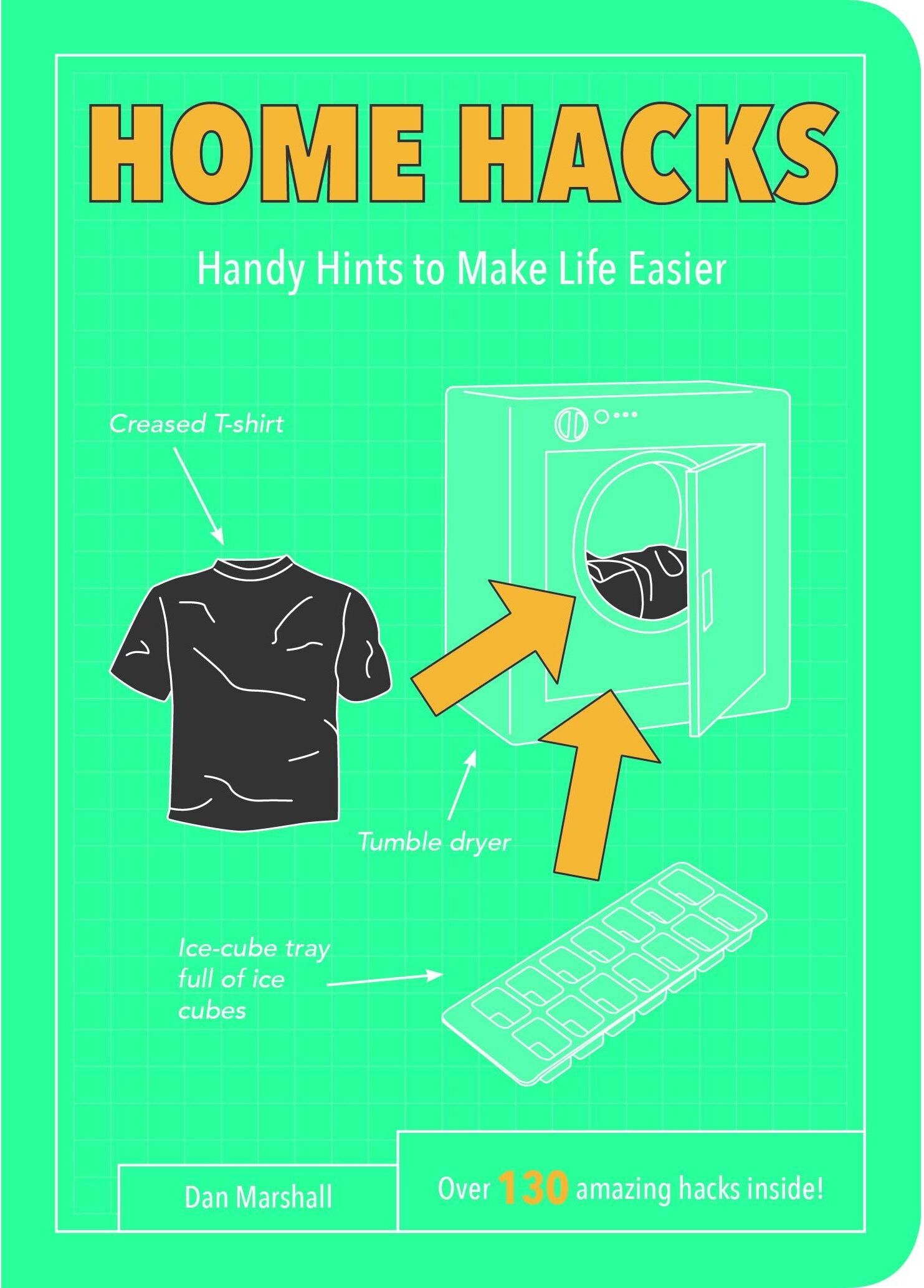
Summersdale Publishers Dan Marshall Handy Tips Tricks Hints Collection 3 Books Set (Beauty Hacks, Life Hacks, Home Hacks)Life Hacks These and dozens of other everyday dilemmas are solved with LIFE HACKS, your handy guide to tackling little annoyances before they turn into big problems. This fully illustrated manual covers everything from nifty electric cable management to ingenious cooking methods and much, much, more. Remember: if life throws you a curveball – HACK IT! Home Hacks Do you long to be free from those time-consuming and annoying domestic chores. Ever dread those awful everyday irritations such as struggling to get the duvet cover back on, or removing overflowing bags from your rubbish bin? Are you desperate for some clever hacks to de-clutter your home? Dozens of everyday household dilemmas are solved with HOME HACKS, your handy guide to tackling little domestic annoyances, cheaply and swiftly, so you can get on with something more fun. Beauty Hacks These and dozens of other hair, skincare, nail and make-up dilemmas are solved with this compendium of ingenious beauty hacks. This fully illustrated manual covers everything from DIY face masks and time-saving make-up cheats to quick and easy styling tips – everything you need to look good, feel good, and still have time for the other fun things in life!18,99 £*Shipping: 2,99 £Secure redirect to the provider
-
What is a strange gait?
A strange gait refers to an abnormal or unusual way of walking or moving. This can include limping, shuffling, dragging one's feet, or any other atypical movement pattern. A strange gait can be a sign of an underlying medical condition or injury, and it may warrant further evaluation by a healthcare professional. Observing a strange gait in oneself or others can be a clue that something may be amiss and should be addressed. **
-
What is the correct gait?
The correct gait refers to the proper way of walking or moving, with a balanced and coordinated motion of the limbs. It involves a smooth and efficient movement pattern that minimizes stress on the body and maximizes energy efficiency. A correct gait is essential for maintaining good posture, preventing injuries, and promoting overall physical well-being. It can vary depending on individual factors such as body structure, muscle strength, and flexibility. **
-
What is an unstable gait?
An unstable gait refers to an unsteady or unbalanced way of walking. This can be caused by a variety of factors, including muscle weakness, joint instability, neurological conditions, or inner ear problems. People with an unstable gait may have difficulty maintaining their balance while walking, and may be at an increased risk of falling. It is important for individuals with an unstable gait to work with healthcare professionals to address the underlying cause and improve their walking stability. **
-
What is a broad-based gait?
A broad-based gait refers to a walking pattern where the distance between the feet is wider than normal. This can be a sign of instability or difficulty with balance, and it is often seen in individuals with neurological or musculoskeletal conditions. A broad-based gait can make walking more challenging and increase the risk of falls, so it is important to address the underlying cause and work on improving balance and stability through physical therapy and other interventions. **
Similar search terms for Gait
-
SSO Libray Builders Library Builders: Historical ReadsJourney into the past with this collection of titles featuring adventures across the eras.This set includes:The Bicycle SpyCode Word CourageEscape From AlcatrazThe Hero Two Doors DownThe Mostly True Adventures of Homer P. FiggA Night...55,99 $*Shipping: 0,00 $Secure redirect to the provider
-
SSO Libray Builders Library Builders: Favorite YA AuthorsThis pack features titles from some of our bestselling young adult authors.This set includes:BeholderThe Life I'm InLove Is the DrugRise to the SunShiver Library Builders: Favorite YA Authors53,99 $*Shipping: 0,00 $Secure redirect to the provider
-
SSO Libray Builders Library Builders: Social and Emotional ReadsTry new things and embrace who you are with these vibrant tales.This set includes:Fish Tank Friends: Do I Have to Go to the Party?Moo HooYou Are Brave: A Book About Trying New Things Library Builders: Social and Emotional Reads46,99 $*Shipping: 0,00 $Secure redirect to the provider
-
How did the upright gait evolve?
The evolution of upright gait is believed to have occurred over millions of years, as our early ancestors transitioned from walking on all fours to walking on two legs. This transition is thought to have been driven by the need to free up the hands for carrying objects and using tools, as well as for better visibility over tall grasses in open savannah environments. Additionally, walking upright may have also helped our ancestors to cover longer distances more efficiently, which would have been advantageous for hunting and gathering. Over time, natural selection favored those individuals with traits that supported upright walking, leading to the development of the modern human gait. **
-
What types of gait disorders are there?
There are several types of gait disorders that can affect an individual's ability to walk properly. Some common types include spastic gait, which is characterized by stiff muscles and jerky movements; ataxic gait, which involves a lack of coordination and balance; and steppage gait, where the foot drops down due to weakness or paralysis of the muscles. Other types of gait disorders include Parkinsonian gait, hemiplegic gait, and sensory gait disturbances. Each type of gait disorder requires specific treatment and management strategies to help improve mobility and quality of life. **
-
How does gait instability affect the psyche?
Gait instability can have a significant impact on an individual's psyche. It can lead to feelings of anxiety, fear, and frustration as the person may worry about falling or losing their balance. This can result in a loss of confidence and independence, leading to social isolation and decreased quality of life. Additionally, the constant fear of falling can contribute to feelings of depression and a sense of helplessness. **
-
How does gait unsteadiness affect the psyche?
Gait unsteadiness can have a significant impact on an individual's psyche. It can lead to feelings of frustration, embarrassment, and a loss of confidence in one's ability to move around safely. This can result in increased anxiety and fear of falling, leading to social isolation and a decreased quality of life. Additionally, the constant worry about losing balance can contribute to feelings of stress and depression. **
* All prices are inclusive of VAT and, if applicable, plus shipping costs. The offer information is based on the details provided by the respective shop and is updated through automated processes. Real-time updates do not occur, so deviations can occur in individual cases. ** Note: Parts of this content were created by AI.