Buy hackroblox.com ?
We are moving the project
hackroblox.com .
Are you interested in purchasing the domain
hackroblox.com ?
domain@kv-gmbh.de · 0541-91531010
Buy hackroblox.com ?
Is cloning identity fraud?
Cloning is not the same as identity fraud. Cloning refers to the creation of a genetically identical copy of an organism, while identity fraud involves using someone else's personal information for fraudulent purposes. While cloning may raise ethical and moral concerns, it is not the same as the criminal act of identity fraud. However, the potential misuse of cloned genetic material could potentially lead to identity fraud if used to create false identities. **
What does cloning mean?
Cloning is the process of creating an identical copy of an organism or a specific gene or DNA sequence. This can be done through various techniques, such as somatic cell nuclear transfer or gene cloning. Cloning can be used for a variety of purposes, including scientific research, medical treatments, and agricultural practices. However, it also raises ethical and moral concerns, particularly when it comes to cloning humans. **

Similar search terms for Cloning
Top-Angebote
Products related to Cloning:
-
SSO Libray Builders Library Builders: Historical ReadsJourney into the past with this collection of titles featuring adventures across the eras.This set includes:The Bicycle SpyCode Word CourageEscape From AlcatrazThe Hero Two Doors DownThe Mostly True Adventures of Homer P. FiggA Night...55,99 $*Shipping: 0,00 $Secure redirect to the provider
-
SSO Libray Builders Library Builders: Favorite YA AuthorsThis pack features titles from some of our bestselling young adult authors.This set includes:BeholderThe Life I'm InLove Is the DrugRise to the SunShiver Library Builders: Favorite YA Authors53,99 $*Shipping: 0,00 $Secure redirect to the provider




-
How is cloning applied?
Cloning is applied in various fields such as agriculture, medicine, and research. In agriculture, cloning is used to produce genetically identical plants or animals with desirable traits, such as disease resistance or high yield. In medicine, cloning is used to create stem cells for potential therapeutic purposes, or to produce animal models for studying diseases. In research, cloning is used to study genetic and developmental processes, as well as to preserve endangered species. Overall, cloning has a wide range of applications with potential benefits in different fields. **
-
How does cloning work?
Cloning is the process of creating a genetically identical copy of an organism. In the case of reproductive cloning, the nucleus of a donor cell is inserted into an egg cell that has had its nucleus removed. The egg cell is then stimulated to divide and develop into an embryo, which is then implanted into a surrogate mother. In the case of therapeutic cloning, the cloned embryo is used to harvest stem cells for medical research and potential treatment of diseases. The process of cloning has ethical and scientific implications and continues to be a topic of debate and research. **
-
What do you think about human cloning and the associated therapeutic cloning?
I believe that human cloning raises ethical concerns regarding individuality, identity, and the potential exploitation of cloned individuals. However, therapeutic cloning, which involves creating cloned embryos for medical research and potential treatments, holds promise for advancing regenerative medicine and treating various diseases. It is important to carefully consider the ethical implications and regulations surrounding these practices to ensure that they are used responsibly and ethically. **
-
What is therapeutic cloning and what is the difference to reproductive cloning?
Therapeutic cloning, also known as somatic cell nuclear transfer, is a process in which a cell from a patient is used to create an embryo that is genetically identical to the patient. The purpose of therapeutic cloning is to harvest stem cells from the embryo, which can then be used for medical treatments and research. Reproductive cloning, on the other hand, is the process of creating a genetically identical copy of an organism. This is typically done by transferring the nucleus of a donor cell into an egg cell that has had its nucleus removed, and then implanting the resulting embryo into a surrogate mother. The goal of reproductive cloning is to produce a living organism with the same genetic makeup as the donor. The main difference between therapeutic cloning and reproductive cloning is the intended outcome: therapeutic cloning is focused on producing stem cells for medical purposes, while reproductive cloning is focused on creating a living organism. **


Why is cloning morally questionable?
Cloning is morally questionable for several reasons. Firstly, it raises ethical concerns about the potential exploitation of cloned individuals and the potential for creating life solely for the purpose of benefiting others. Additionally, cloning raises questions about the uniqueness and individuality of each person, as well as the potential psychological and emotional impact on the cloned individual. Furthermore, there are concerns about the potential for unintended consequences and the long-term effects of cloning on the natural diversity of the human population. Overall, the moral implications of cloning raise significant ethical concerns that need to be carefully considered. **
How can cloning be manipulated?
Cloning can be manipulated through various techniques such as somatic cell nuclear transfer, where the nucleus of a somatic cell is transferred into an enucleated egg cell to create a clone. Additionally, gene editing technologies like CRISPR can be used to modify the genetic material of the cloned organism. Cloning can also be manipulated through the use of different culture conditions and growth factors to enhance the development and viability of cloned embryos. Overall, cloning can be manipulated through a combination of genetic, cellular, and environmental techniques to achieve specific desired outcomes. **
Top-Angebote
Products related to Cloning:
-
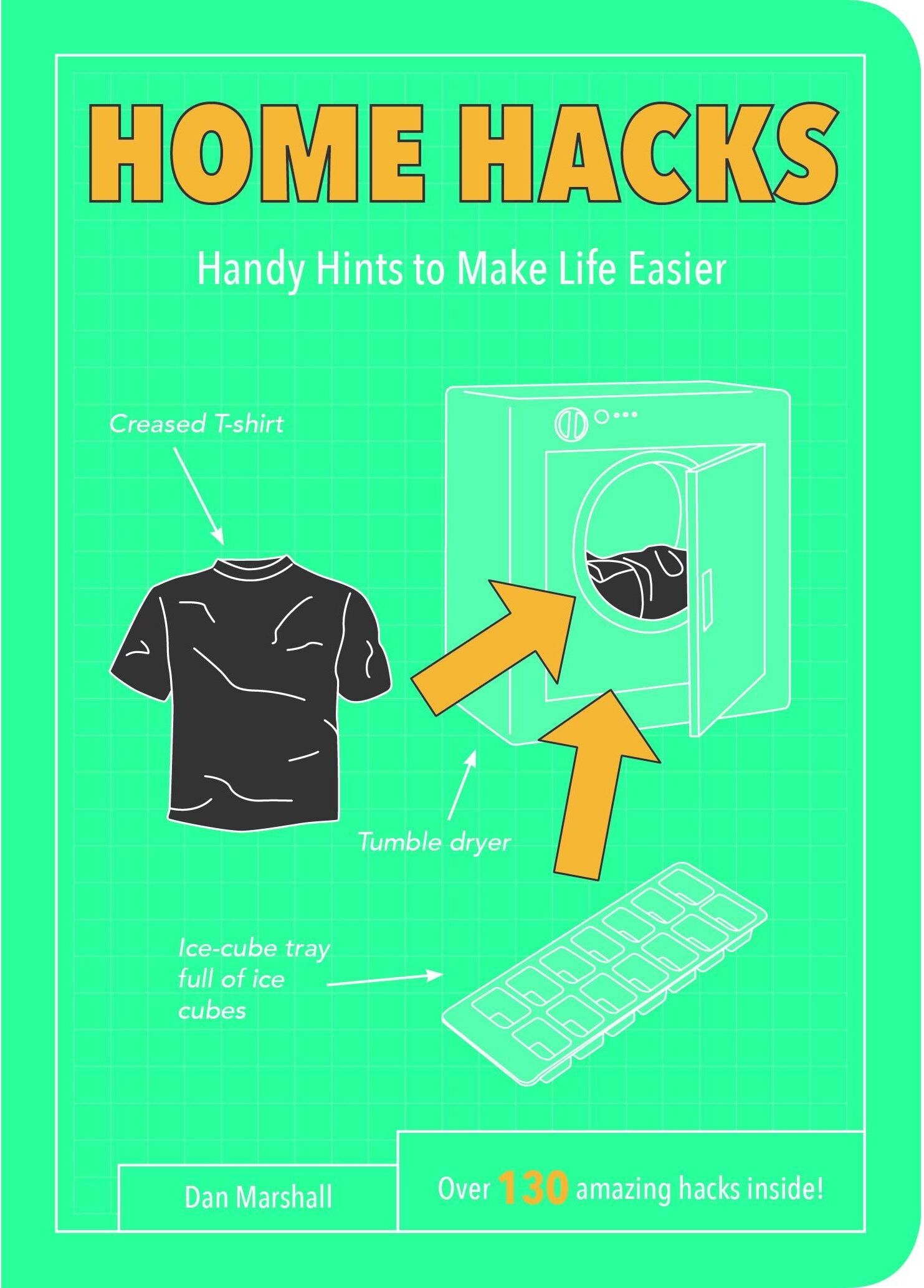
Summersdale Publishers Dan Marshall Handy Tips Tricks Hints Collection 3 Books Set (Beauty Hacks, Life Hacks, Home Hacks)Life Hacks These and dozens of other everyday dilemmas are solved with LIFE HACKS, your handy guide to tackling little annoyances before they turn into big problems. This fully illustrated manual covers everything from nifty electric cable management to ingenious cooking methods and much, much, more. Remember: if life throws you a curveball – HACK IT! Home Hacks Do you long to be free from those time-consuming and annoying domestic chores. Ever dread those awful everyday irritations such as struggling to get the duvet cover back on, or removing overflowing bags from your rubbish bin? Are you desperate for some clever hacks to de-clutter your home? Dozens of everyday household dilemmas are solved with HOME HACKS, your handy guide to tackling little domestic annoyances, cheaply and swiftly, so you can get on with something more fun. Beauty Hacks These and dozens of other hair, skincare, nail and make-up dilemmas are solved with this compendium of ingenious beauty hacks. This fully illustrated manual covers everything from DIY face masks and time-saving make-up cheats to quick and easy styling tips – everything you need to look good, feel good, and still have time for the other fun things in life!18,99 £*Shipping: 2,99 £Secure redirect to the provider
-
SSO Libray Builders Library Builders: Historical ReadsJourney into the past with this collection of titles featuring adventures across the eras.This set includes:The Bicycle SpyCode Word CourageEscape From AlcatrazThe Hero Two Doors DownThe Mostly True Adventures of Homer P. FiggA Night...55,99 $*Shipping: 0,00 $Secure redirect to the provider
-
Is cloning identity fraud?
Cloning is not the same as identity fraud. Cloning refers to the creation of a genetically identical copy of an organism, while identity fraud involves using someone else's personal information for fraudulent purposes. While cloning may raise ethical and moral concerns, it is not the same as the criminal act of identity fraud. However, the potential misuse of cloned genetic material could potentially lead to identity fraud if used to create false identities. **
-
What does cloning mean?
Cloning is the process of creating an identical copy of an organism or a specific gene or DNA sequence. This can be done through various techniques, such as somatic cell nuclear transfer or gene cloning. Cloning can be used for a variety of purposes, including scientific research, medical treatments, and agricultural practices. However, it also raises ethical and moral concerns, particularly when it comes to cloning humans. **
-
How is cloning applied?
Cloning is applied in various fields such as agriculture, medicine, and research. In agriculture, cloning is used to produce genetically identical plants or animals with desirable traits, such as disease resistance or high yield. In medicine, cloning is used to create stem cells for potential therapeutic purposes, or to produce animal models for studying diseases. In research, cloning is used to study genetic and developmental processes, as well as to preserve endangered species. Overall, cloning has a wide range of applications with potential benefits in different fields. **
-
How does cloning work?
Cloning is the process of creating a genetically identical copy of an organism. In the case of reproductive cloning, the nucleus of a donor cell is inserted into an egg cell that has had its nucleus removed. The egg cell is then stimulated to divide and develop into an embryo, which is then implanted into a surrogate mother. In the case of therapeutic cloning, the cloned embryo is used to harvest stem cells for medical research and potential treatment of diseases. The process of cloning has ethical and scientific implications and continues to be a topic of debate and research. **
Similar search terms for Cloning
-
SSO Libray Builders Library Builders: Favorite YA AuthorsThis pack features titles from some of our bestselling young adult authors.This set includes:BeholderThe Life I'm InLove Is the DrugRise to the SunShiver Library Builders: Favorite YA Authors53,99 $*Shipping: 0,00 $Secure redirect to the provider
-
SSO Libray Builders Library Builders: Social and Emotional ReadsTry new things and embrace who you are with these vibrant tales.This set includes:Fish Tank Friends: Do I Have to Go to the Party?Moo HooYou Are Brave: A Book About Trying New Things Library Builders: Social and Emotional Reads46,99 $*Shipping: 0,00 $Secure redirect to the provider
-
SSO Libray Builders Library Builders: Middle Grade Adventure & FantasyThis set includes:Beware the HeartmanThe Crossbow of DestinySecrets of the Sky #1: The Chaos MonsterValor WingsThe Witching Wind Library Builders: Middle Grade Adventure & Fantasy78,99 $*Shipping: 0,00 $Secure redirect to the provider
-
What do you think about human cloning and the associated therapeutic cloning?
I believe that human cloning raises ethical concerns regarding individuality, identity, and the potential exploitation of cloned individuals. However, therapeutic cloning, which involves creating cloned embryos for medical research and potential treatments, holds promise for advancing regenerative medicine and treating various diseases. It is important to carefully consider the ethical implications and regulations surrounding these practices to ensure that they are used responsibly and ethically. **
-
What is therapeutic cloning and what is the difference to reproductive cloning?
Therapeutic cloning, also known as somatic cell nuclear transfer, is a process in which a cell from a patient is used to create an embryo that is genetically identical to the patient. The purpose of therapeutic cloning is to harvest stem cells from the embryo, which can then be used for medical treatments and research. Reproductive cloning, on the other hand, is the process of creating a genetically identical copy of an organism. This is typically done by transferring the nucleus of a donor cell into an egg cell that has had its nucleus removed, and then implanting the resulting embryo into a surrogate mother. The goal of reproductive cloning is to produce a living organism with the same genetic makeup as the donor. The main difference between therapeutic cloning and reproductive cloning is the intended outcome: therapeutic cloning is focused on producing stem cells for medical purposes, while reproductive cloning is focused on creating a living organism. **
-
Why is cloning morally questionable?
Cloning is morally questionable for several reasons. Firstly, it raises ethical concerns about the potential exploitation of cloned individuals and the potential for creating life solely for the purpose of benefiting others. Additionally, cloning raises questions about the uniqueness and individuality of each person, as well as the potential psychological and emotional impact on the cloned individual. Furthermore, there are concerns about the potential for unintended consequences and the long-term effects of cloning on the natural diversity of the human population. Overall, the moral implications of cloning raise significant ethical concerns that need to be carefully considered. **
-
How can cloning be manipulated?
Cloning can be manipulated through various techniques such as somatic cell nuclear transfer, where the nucleus of a somatic cell is transferred into an enucleated egg cell to create a clone. Additionally, gene editing technologies like CRISPR can be used to modify the genetic material of the cloned organism. Cloning can also be manipulated through the use of different culture conditions and growth factors to enhance the development and viability of cloned embryos. Overall, cloning can be manipulated through a combination of genetic, cellular, and environmental techniques to achieve specific desired outcomes. **
* All prices are inclusive of VAT and, if applicable, plus shipping costs. The offer information is based on the details provided by the respective shop and is updated through automated processes. Real-time updates do not occur, so deviations can occur in individual cases. ** Note: Parts of this content were created by AI.