Buy hackroblox.com ?
We are moving the project
hackroblox.com .
Are you interested in purchasing the domain
hackroblox.com ?
domain@kv-gmbh.de · 0541-91531010
Buy hackroblox.com ?
What are alcohols?
Alcohols are a class of organic compounds that contain a hydroxyl group (-OH) attached to a carbon atom. They are characterized by their ability to dissolve in water and their distinct smell and taste. Alcohols can be classified based on the number of carbon atoms bonded to the carbon atom with the hydroxyl group, such as methanol, ethanol, and isopropanol. They are commonly used as solvents, disinfectants, and in alcoholic beverages. **
Are polyhydric alcohols the same as, for example, secondary alcohols?
No, polyhydric alcohols and secondary alcohols are not the same. Polyhydric alcohols are alcohols that contain more than one hydroxyl (-OH) group in their structure, such as glycerol or ethylene glycol. Secondary alcohols, on the other hand, are a specific type of alcohol where the carbon atom bearing the hydroxyl group is bonded to two other carbon atoms. Examples of secondary alcohols include isopropanol and 2-butanol. Therefore, while polyhydric alcohols refer to the presence of multiple hydroxyl groups, secondary alcohols refer to the specific structure of the carbon atom bonded to the hydroxyl group. **

Similar search terms for Alcohols
Top-Angebote
Products related to Alcohols:
-
SSO Libray Builders Library Builders: Historical ReadsJourney into the past with this collection of titles featuring adventures across the eras.This set includes:The Bicycle SpyCode Word CourageEscape From AlcatrazThe Hero Two Doors DownThe Mostly True Adventures of Homer P. FiggA Night...55,99 $*Shipping: 0,00 $Secure redirect to the provider
-
SSO Libray Builders Library Builders: Favorite YA AuthorsThis pack features titles from some of our bestselling young adult authors.This set includes:BeholderThe Life I'm InLove Is the DrugRise to the SunShiver Library Builders: Favorite YA Authors53,99 $*Shipping: 0,00 $Secure redirect to the provider




-
What are monohydric alcohols?
Monohydric alcohols are organic compounds that contain a single hydroxyl (-OH) group attached to a carbon atom. They are also known as primary alcohols. Monohydric alcohols can be found in various natural sources such as fruits, vegetables, and grains, and are also commonly used in the production of alcoholic beverages, solvents, and as fuel additives. Examples of monohydric alcohols include methanol, ethanol, and propanol. **
-
Are all alcohols lipophilic?
Yes, all alcohols are lipophilic, meaning they are attracted to and soluble in lipids or fats. This is because alcohols have a hydrophobic (water-repelling) portion, which allows them to interact with and dissolve in non-polar substances like lipids. This property makes alcohols useful in a variety of applications, including as solvents in the pharmaceutical and cosmetic industries. **
-
What are alcohols in chemistry?
Alcohols are a class of organic compounds that contain a hydroxyl (-OH) functional group, which is a combination of a hydrogen atom and an oxygen atom bonded to a carbon atom. They are characterized by their ability to dissolve in water and their ability to undergo reactions such as oxidation and esterification. Alcohols can be classified as primary, secondary, or tertiary based on the number of carbon atoms bonded to the carbon atom bearing the hydroxyl group. They are commonly used as solvents, disinfectants, and in the production of various chemicals and consumer products. **
-
Which alcohols can you drink?
You can drink alcohols that are safe for human consumption, such as beer, wine, and spirits. It's important to drink responsibly and in moderation, and to be aware of your own tolerance and any potential health risks. It's also important to be of legal drinking age in your country or region. Always consult with a healthcare professional if you have any concerns about alcohol consumption. **


'It's about alcohols in chemistry.'
Alcohols are a class of organic compounds that contain a hydroxyl group (-OH) bonded to a carbon atom. They are commonly used as solvents, disinfectants, and in the production of various chemicals. Alcohols can be classified as primary, secondary, or tertiary based on the number of carbon atoms bonded to the carbon atom bearing the hydroxyl group. They also undergo various chemical reactions, such as oxidation to form aldehydes or ketones, and esterification to form esters. **
Why are primary and secondary alcohols not as reactive as tertiary alcohols in SN1 reactions?
Primary and secondary alcohols are not as reactive as tertiary alcohols in SN1 reactions because the rate-determining step in SN1 reactions involves the formation of a carbocation intermediate. Tertiary alcohols form more stable carbocation intermediates due to the presence of more alkyl groups, which stabilize the positive charge through hyperconjugation and inductive effects. In contrast, primary and secondary alcohols form less stable carbocation intermediates, making the reaction less favorable. As a result, tertiary alcohols undergo SN1 reactions more readily than primary and secondary alcohols. **
Top-Angebote
Products related to Alcohols:
-
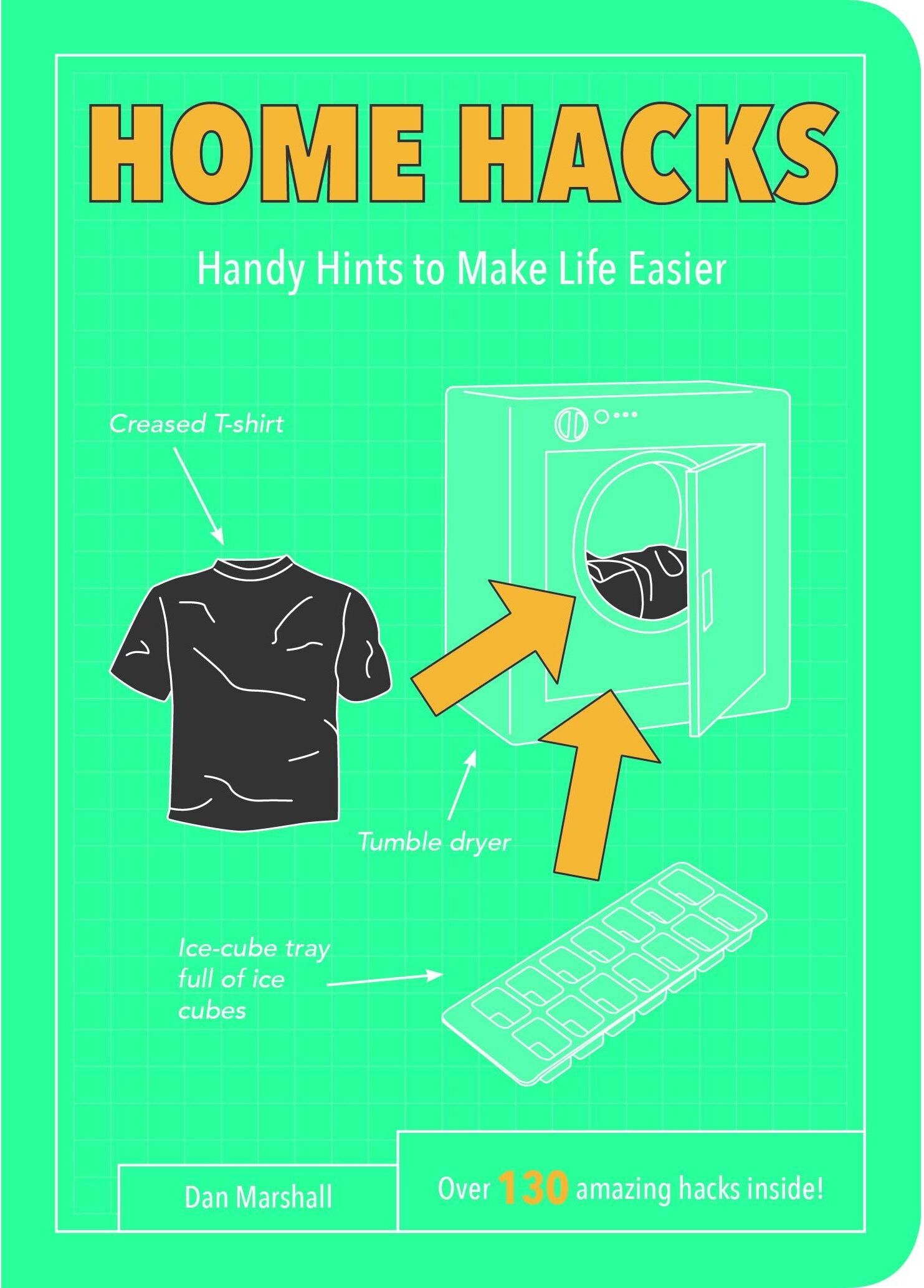
Summersdale Publishers Dan Marshall Handy Tips Tricks Hints Collection 3 Books Set (Beauty Hacks, Life Hacks, Home Hacks)Life Hacks These and dozens of other everyday dilemmas are solved with LIFE HACKS, your handy guide to tackling little annoyances before they turn into big problems. This fully illustrated manual covers everything from nifty electric cable management to ingenious cooking methods and much, much, more. Remember: if life throws you a curveball – HACK IT! Home Hacks Do you long to be free from those time-consuming and annoying domestic chores. Ever dread those awful everyday irritations such as struggling to get the duvet cover back on, or removing overflowing bags from your rubbish bin? Are you desperate for some clever hacks to de-clutter your home? Dozens of everyday household dilemmas are solved with HOME HACKS, your handy guide to tackling little domestic annoyances, cheaply and swiftly, so you can get on with something more fun. Beauty Hacks These and dozens of other hair, skincare, nail and make-up dilemmas are solved with this compendium of ingenious beauty hacks. This fully illustrated manual covers everything from DIY face masks and time-saving make-up cheats to quick and easy styling tips – everything you need to look good, feel good, and still have time for the other fun things in life!18,99 £*Shipping: 2,99 £Secure redirect to the provider
-
SSO Libray Builders Library Builders: Historical ReadsJourney into the past with this collection of titles featuring adventures across the eras.This set includes:The Bicycle SpyCode Word CourageEscape From AlcatrazThe Hero Two Doors DownThe Mostly True Adventures of Homer P. FiggA Night...55,99 $*Shipping: 0,00 $Secure redirect to the provider
-
What are alcohols?
Alcohols are a class of organic compounds that contain a hydroxyl group (-OH) attached to a carbon atom. They are characterized by their ability to dissolve in water and their distinct smell and taste. Alcohols can be classified based on the number of carbon atoms bonded to the carbon atom with the hydroxyl group, such as methanol, ethanol, and isopropanol. They are commonly used as solvents, disinfectants, and in alcoholic beverages. **
-
Are polyhydric alcohols the same as, for example, secondary alcohols?
No, polyhydric alcohols and secondary alcohols are not the same. Polyhydric alcohols are alcohols that contain more than one hydroxyl (-OH) group in their structure, such as glycerol or ethylene glycol. Secondary alcohols, on the other hand, are a specific type of alcohol where the carbon atom bearing the hydroxyl group is bonded to two other carbon atoms. Examples of secondary alcohols include isopropanol and 2-butanol. Therefore, while polyhydric alcohols refer to the presence of multiple hydroxyl groups, secondary alcohols refer to the specific structure of the carbon atom bonded to the hydroxyl group. **
-
What are monohydric alcohols?
Monohydric alcohols are organic compounds that contain a single hydroxyl (-OH) group attached to a carbon atom. They are also known as primary alcohols. Monohydric alcohols can be found in various natural sources such as fruits, vegetables, and grains, and are also commonly used in the production of alcoholic beverages, solvents, and as fuel additives. Examples of monohydric alcohols include methanol, ethanol, and propanol. **
-
Are all alcohols lipophilic?
Yes, all alcohols are lipophilic, meaning they are attracted to and soluble in lipids or fats. This is because alcohols have a hydrophobic (water-repelling) portion, which allows them to interact with and dissolve in non-polar substances like lipids. This property makes alcohols useful in a variety of applications, including as solvents in the pharmaceutical and cosmetic industries. **
Similar search terms for Alcohols
-
SSO Libray Builders Library Builders: Favorite YA AuthorsThis pack features titles from some of our bestselling young adult authors.This set includes:BeholderThe Life I'm InLove Is the DrugRise to the SunShiver Library Builders: Favorite YA Authors53,99 $*Shipping: 0,00 $Secure redirect to the provider
-
SSO Libray Builders Library Builders: Middle Grade Adventure & FantasyThis set includes:Beware the HeartmanThe Crossbow of DestinySecrets of the Sky #1: The Chaos MonsterValor WingsThe Witching Wind Library Builders: Middle Grade Adventure & Fantasy78,99 $*Shipping: 0,00 $Secure redirect to the provider
-
SSO Libray Builders Library Builders: Navigating Friendships Graphic PackThis set includes:Four EyesInvisibleLeon #2: Worst Friends ForeverMeet Me on Mercer StreetThe New GirlPizza FaceSquished Library Builders: Navigating Friendships Graphic Pack76,99 $*Shipping: 0,00 $Secure redirect to the provider
-
What are alcohols in chemistry?
Alcohols are a class of organic compounds that contain a hydroxyl (-OH) functional group, which is a combination of a hydrogen atom and an oxygen atom bonded to a carbon atom. They are characterized by their ability to dissolve in water and their ability to undergo reactions such as oxidation and esterification. Alcohols can be classified as primary, secondary, or tertiary based on the number of carbon atoms bonded to the carbon atom bearing the hydroxyl group. They are commonly used as solvents, disinfectants, and in the production of various chemicals and consumer products. **
-
Which alcohols can you drink?
You can drink alcohols that are safe for human consumption, such as beer, wine, and spirits. It's important to drink responsibly and in moderation, and to be aware of your own tolerance and any potential health risks. It's also important to be of legal drinking age in your country or region. Always consult with a healthcare professional if you have any concerns about alcohol consumption. **
-
'It's about alcohols in chemistry.'
Alcohols are a class of organic compounds that contain a hydroxyl group (-OH) bonded to a carbon atom. They are commonly used as solvents, disinfectants, and in the production of various chemicals. Alcohols can be classified as primary, secondary, or tertiary based on the number of carbon atoms bonded to the carbon atom bearing the hydroxyl group. They also undergo various chemical reactions, such as oxidation to form aldehydes or ketones, and esterification to form esters. **
-
Why are primary and secondary alcohols not as reactive as tertiary alcohols in SN1 reactions?
Primary and secondary alcohols are not as reactive as tertiary alcohols in SN1 reactions because the rate-determining step in SN1 reactions involves the formation of a carbocation intermediate. Tertiary alcohols form more stable carbocation intermediates due to the presence of more alkyl groups, which stabilize the positive charge through hyperconjugation and inductive effects. In contrast, primary and secondary alcohols form less stable carbocation intermediates, making the reaction less favorable. As a result, tertiary alcohols undergo SN1 reactions more readily than primary and secondary alcohols. **
* All prices are inclusive of VAT and, if applicable, plus shipping costs. The offer information is based on the details provided by the respective shop and is updated through automated processes. Real-time updates do not occur, so deviations can occur in individual cases. ** Note: Parts of this content were created by AI.